Death: Life’s True Beginning
This is truly one of those random stories that just came together from a series of different circumstances. And it all started with the Netflix show Tires. Yes, the Shane Gillis comedy led to a full scroll about death.
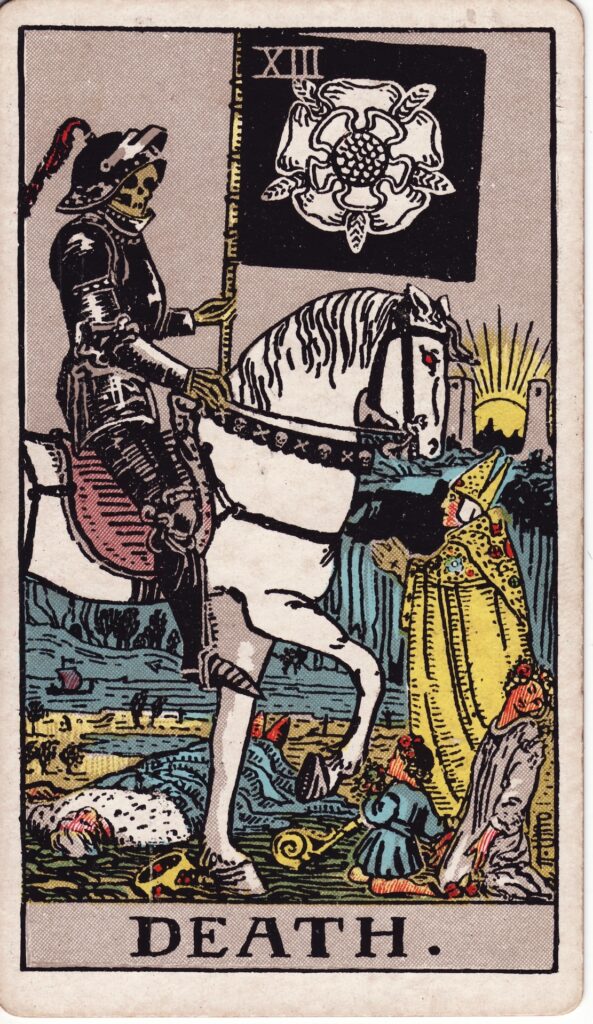
I’m watching the show while I’m on the elliptical at the gym. Season 3, Episode 7, “Six of Swords,” has a scene where Bonnie, played by Rachel Blanchard, does a tarot card reading for Will, played by Steve Gerben. One of the cards she flips over is the Death card, and she comments about it being more about rebirth.
I didn’t think much of it at the time, but then the episode ends and I flip over to Spotify to wrap up my workout. I jump back into a book I’ve already listened to a couple of times, but lean on whenever my life feels chaotic: Stoicism: How to Use Stoic Philosophy to Find Inner Peace and Happiness by Jason Hemlock. It’s an easy listen that does a good job of digging into Stoicism without making it feel like homework.
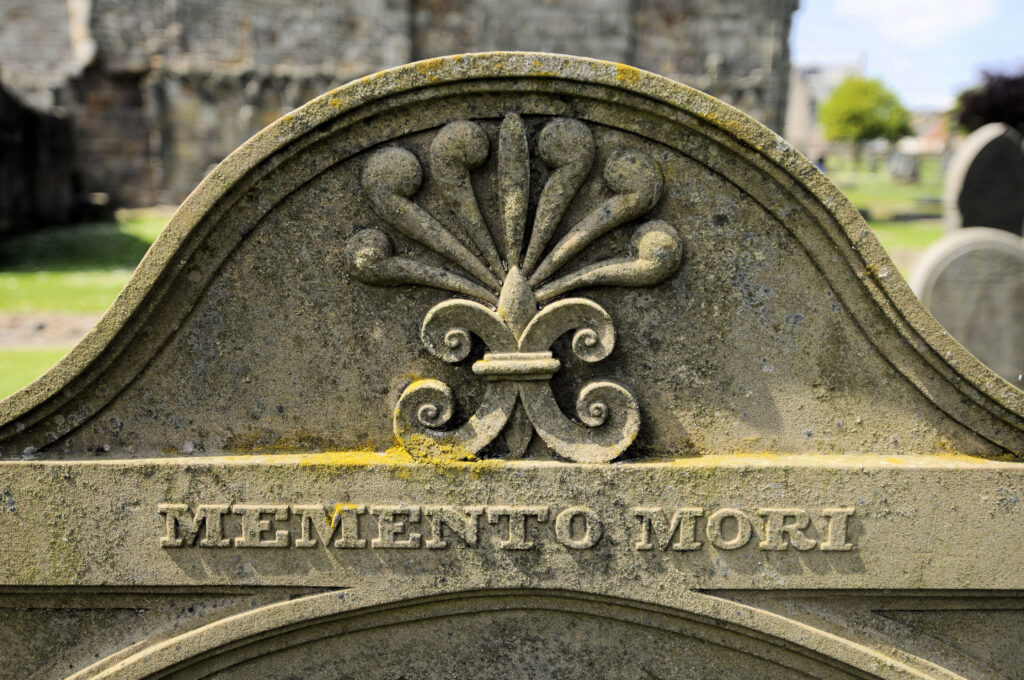
It just so happens I left off on Chapter 5: Memento Mori. The Latin phrase “memento mori,” or “remember you must die,” is a pretty big staple of Stoic philosophy. Seneca wrote extensively about the limited amount of time we’re given. One of the central ideas in On the Shortness of Life is that life isn’t necessarily too short. We just have a tendency to waste a hell of a lot of it.
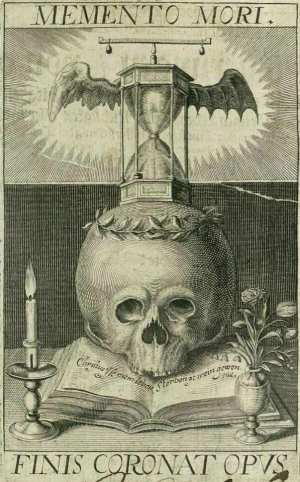
The chapter itself is largely about using the reality of death as motivation, and that’s where my brain started going in a slightly different direction. This all hit me at a really good time today. Not because I enjoy thinking about death, but because I like the idea of seeing death as a beginning.
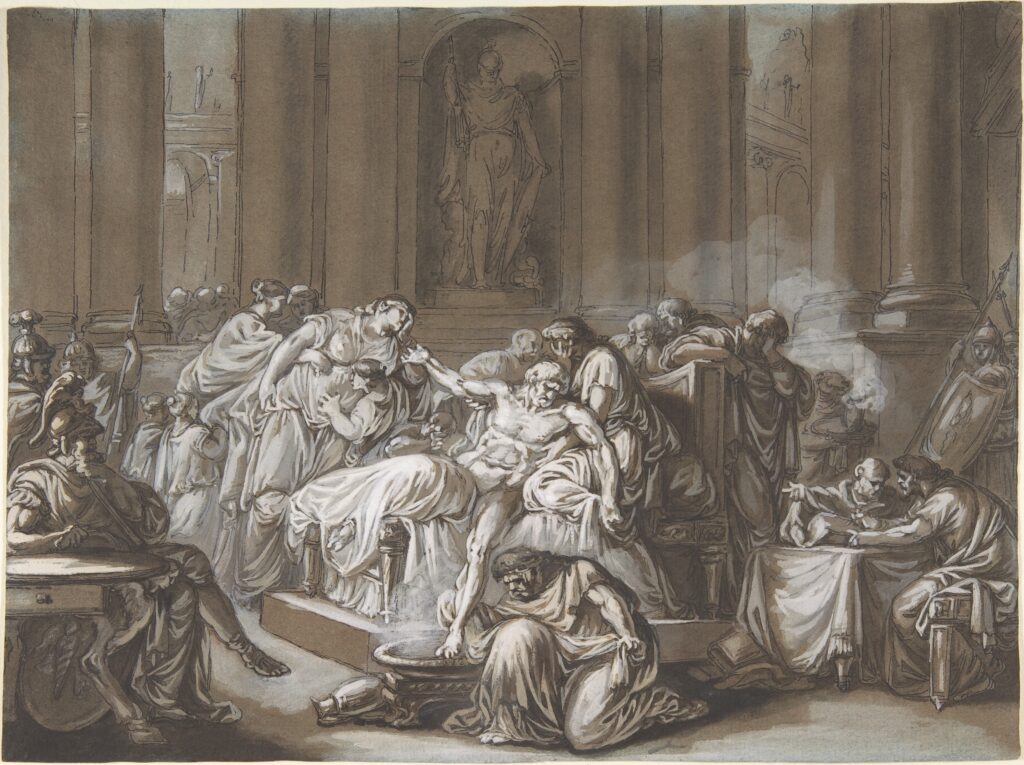
Death doesn’t have to mean your death. Maybe it’s the death of something you don’t like about yourself. Bury it. Move on. Not exercising enough? Drinking too much? Poor diet? Not reading enough? Not making enough time for your family? Those aren’t necessarily lessons pulled directly from the chapter. They’re where my mind went while listening to it. If death can be a source of motivation, why wait for the big one? Why not use the idea to kill off some of the smaller things that are keeping you from living the way you want to live?
The book does take the concept further. There are exercises like writing your own eulogy, which forces you to think about what you want your life to have meant when it’s over. I’m sure we’ll cross that path in a future scroll, but that’s a little deeper than I’m looking to get here. I’m more interested right now in the death of smaller things. Smaller aspects of yourself that maybe you don’t like. Use the final death as motivation to help you through those.
I’ve wasted a lot of time in my life just vegging out, drinking, playing video games or simply taking the easiest path available to me. I’ve struggled with anxiety and depression, and there have been plenty of times when they’ve significantly limited what I do. The frustrating part is that I usually know the things that help me. Exercise helps. Getting out of the house helps. Doing something productive helps. Spending time with my family helps. But knowing those things and actually doing them are two completely different things. Far too frequently, I take the easy path even when I know it isn’t the path that’s going to make me feel better.
But there’s another side to that. I can very easily go too far in the opposite direction. I can go full bore into work, projects and everything else I’m trying to accomplish and leave too little time for myself or my family. I’m certainly guilty of that as well. Getting rid of one unhealthy habit doesn’t do much good if I just replace it with another one wearing a productivity badge.
We just celebrated our daughter’s quinceañera at Disneyland. We spent a year and a half planning that thing. For a year and a half, there was always something to plan, something to pay for, someone to call, something to make or some new problem to solve. Then we had this incredible night with our daughter, and suddenly the thing that had occupied such a massive part of our lives was over.

We stayed at Disneyland afterward and went to the parks Saturday, Sunday and Monday. In theory, that should have been the perfect way to decompress, and it definitely helped. But I think our brains were so fried from the actual party and everything that went into planning it that it was difficult to fully switch into “park mode.” We were physically done with the quinceañera, but mentally, I don’t think we’d caught up yet.
Now we’re home, and neither one of us is quite sure what to do with all this time that suddenly exists again. My wife was just talking to me about all the plans she has for her clinic over the next month. While I appreciate the motivation, I cautioned her not to try to do too much right out of the gate. Just go back to the first scroll I put up here on Goatland. It’s all about balance.
And maybe that’s the point. Something ended. For a year and a half, the quinceañera was this massive thing sitting in the middle of our lives, and now it’s gone. That doesn’t mean we need to immediately find something else to fill its place.
Maybe that’s where the Death card, memento mori and this whole bizarre chain of events finally connect for me. Death creates space. Sometimes it’s the death of a bad habit. Sometimes it’s the end of a project. Sometimes it’s realizing that a version of yourself isn’t the person you want to be anymore. Let it die, but don’t feel like you have to immediately fill every inch of the space it leaves behind.
That doesn’t mean waking up tomorrow, completely reinventing yourself and trying to fix every problem in your life by Friday. I’ve tried that too. It doesn’t work. Pick something. Maybe you want to exercise three times this week. Maybe you want to put the phone down more often and spend more time with your family. Maybe you want to read instead of scrolling through garbage before bed. Maybe it’s something completely different.
Kill one thing that’s taking time away from something you actually care about, and use the space it leaves behind for something better. Then, when you’re ready, kill another.
Because eventually, memento mori catches up with all of us. We are going to die. That’s not depressing to me. What’s depressing is getting there and realizing how much time I spent waiting to start living.