Toxic Masculinity Is Real. So Is the Need to Let People Change.
A personal essay on toxic masculinity, the Cornell fraternity allegations, public models of masculinity, accountability and the need to leave room for genuine change.

I saw a post on Facebook saying that “only women” are talking about the Cornell 7.
Well, I’m a guy, and I’ve got a lot to say about it. Actually, I’ve got a lot to say about several things happening right now that, at first glance, might not seem connected. The Cornell case. Donald Trump. Pete Hegseth. And now the Portland Trail Blazers firing their newly hired broadcaster over things he posted online when he was a teenager.
They all bring me back to two words: toxic masculinity.
I know, those two words together probably made some of you cringe. Others probably rolled your eyes and are already super close to closing this article. Good. Go. This isn’t for you. This is for the people who realize there are times for nuance and there are times when we need to be very clear about what is right and what is wrong. And I’ll warn you now, we’re going to need both.
The Cornell 7, and the People Around Them
I wasn’t sure which part of this to start with, so let’s go with the one that started this whole thing for me: the Cornell 7. What in the ever-living fuck is happening?
A former Cornell student has accused seven members of the Chi Phi fraternity in a civil lawsuit of drugging and sexually assaulting her at the fraternity house in October 2024. The allegations are horrifying. The case is now receiving renewed scrutiny, and the criminal investigation has been reopened. None of that means a court has established every allegation as fact, and some of the accused have denied wrongdoing. But the allegations and the messages described in the lawsuit are serious enough that we need to talk about the culture surrounding them.
Because this story isn’t just about seven people. There was a larger fraternity group chat. Messages allegedly circulated discussing what was happening upstairs in degrading, dehumanizing terms. We need to be careful here because being in a group chat does not prove that every person saw every message, understood what was happening or knowingly chose not to intervene. We don’t know that. But it raises a question that’s bigger than this particular case. How does a culture develop where something even remotely like this can be discussed among a group of men without somebody saying, “What the fuck are you doing?” That’s the part I can’t get past.
I’ve always been pretty particular about the company I keep. I genuinely can’t think of a situation where one of my friends would suggest something like this and everyone would just go along with it. If somebody I knew started talking about sexually assaulting a woman, I’d call him out immediately. If I believed an assault had happened, I’d want authorities involved. If I knew the woman involved, I’d also understand that she is the person who just had control taken away from her, so I’m not taking another decision away from her. I’d support what she wanted while strongly encouraging her to get help and report what happened.

And then there are the institutions around these cases. According to reporting and the lawsuit, Cornell’s disciplinary process produced punishments ranging from expulsions to lesser sanctions, with reflective essays appearing in the disciplinary record. Prosecutors initially declined to bring charges, although the criminal investigation has now been reopened. When people start worrying about what serious consequences might mean for the futures of the men involved, I keep coming back to one question. What about her future?
She doesn’t get to erase what allegedly happened. She doesn’t get to erase what happened afterward. She gets to carry that experience, along with whatever it did to her ability to trust people and institutions that were supposed to protect her. That’s where accountability has to mean something.
How Did We Get Here?

Ten or twenty years ago, I think I would have been shocked by the idea that this many people could potentially exist around something so disturbing without someone putting a stop to it. Today, I’m less surprised. Because we’ve spent years being told that some pretty disgusting behavior is just what men do.
Go back exactly ten years to October 2016. A recording surfaced of Donald Trump talking about women. He said he would start kissing beautiful women without waiting. Then came the line everybody remembers: “When you’re a star they let you do it. You can do anything.” And then, of course, “Grab them by the pussy.” The response from Trump was that it was “locker room banter.” And enough Americans ultimately decided it wasn’t disqualifying. He won the presidency. A decade later, he’s serving his second term.
Think about the message in that. I’m not saying Donald Trump caused what allegedly happened at Cornell. That’s ridiculous. I’m talking about culture. I’m talking about what happens when powerful men model behavior and millions of people respond by saying it’s just how guys talk.
No. It isn’t.
I’ve spent plenty of time around locker rooms, sports, radio studios and groups of men saying stupid shit. There is a difference between joking around with your friends and describing behavior that ignores a woman’s consent. Calling the latter “locker room talk” doesn’t defend masculinity. It insults men.
This is where I think a lot of people shut down when they hear the phrase “toxic masculinity.” They hear “masculinity is toxic.” That’s not what it means. There’s nothing wrong with being masculine. There’s nothing wrong with being strong, competitive, aggressive in the appropriate setting or liking stereotypically guy things. I like sports. I like guns. I like explosions and action movies. I’ll also go get a mani/pedi with my mom and sister because goddamn it feels good to have clean fingers and toes. None of those things determine whether I’m a man.
The toxic part comes when masculinity becomes a performance. When showing empathy makes you weak. When calling out your friends makes you a traitor. When women become objects. When being cruel becomes evidence that you’re tough. When anything that doesn’t fit someone’s definition of “manly” becomes “gay.” It’s 2026. Grow the fuck up.
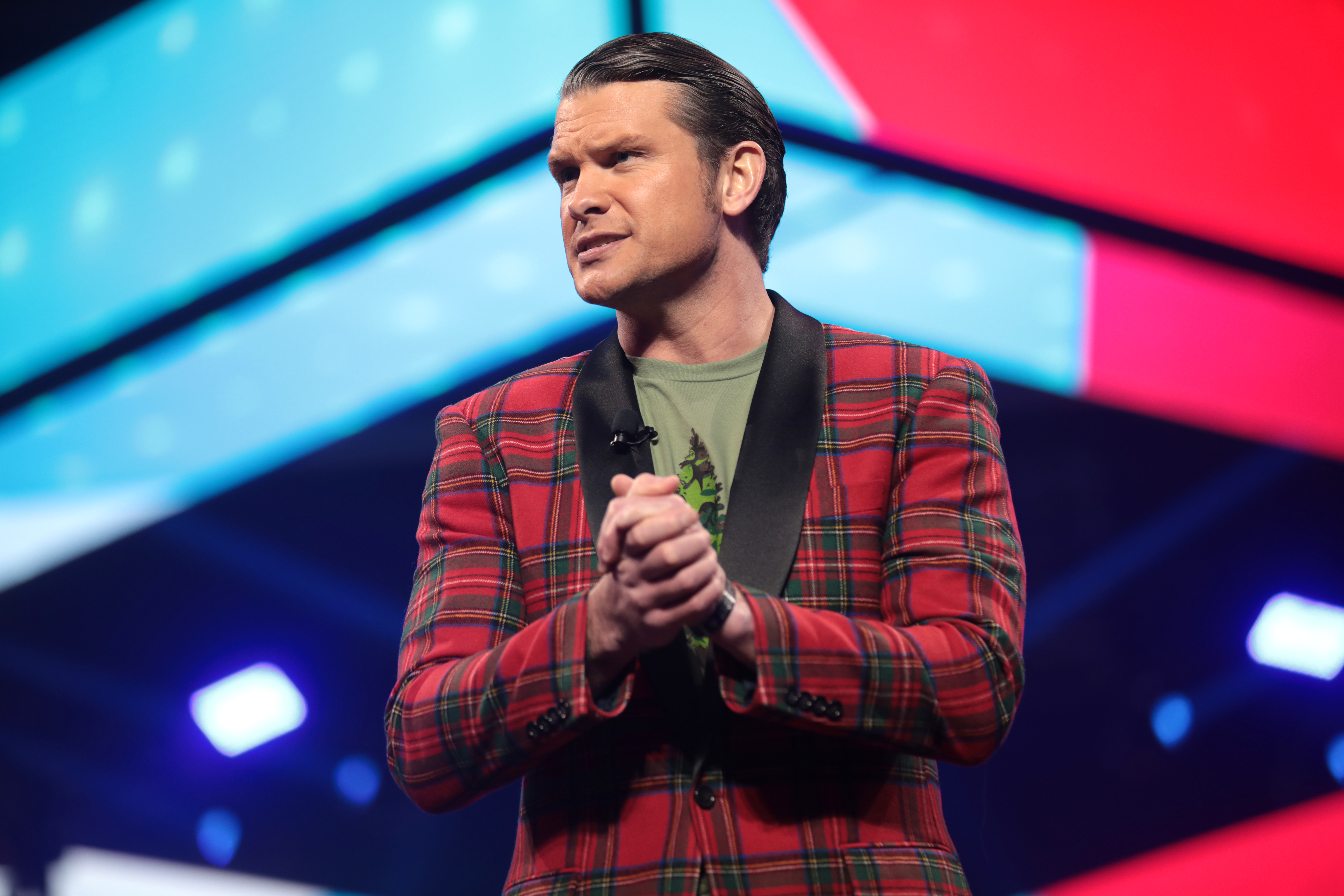
And then you hear something like what Secretary of Defense Pete Hegseth said this week. “No fatties, no trannies, no beardos, no weirdos, no wimps, no radicals. Just warriors.” This is the United States Secretary of Defense defining strength by listing the people who don’t belong.
That’s the pipeline I’m talking about. Not that everyone who hears Pete Hegseth is going to become a sexual predator. Of course not. It’s the underlying message that masculinity is something you prove through exclusion, humiliation and domination. That’s not strength.
But There Is Another Side to This
And yes, there is another side. This is probably where some people on the other side of the aisle start to cringe. “Oh my God, he’s going to defend the Cornell guys, Trump and Hegseth.” No. I’m not. I despise the behavior we’re talking about, and I have very little patience for people who sit idly by when someone is being hurt.
But eventually we have to ask ourselves what we actually want out of accountability. I think most sane people would say we want women to be safe. We want men to respect women. We want people to call out their friends when they cross a line. We want boys to grow into men who understand consent, empathy and responsibility. If that’s the goal, then we also have to leave room for people to actually grow.
And that’s where Braiden Bell enters this story.
The Portland Trail Blazers announced Braiden Bell as their new television play-by-play broadcaster this week. Hours later, he was fired after racist and sexist posts from his old Twitter account surfaced. The posts were ugly. I’m not defending them. But they were from 2012 and 2013. Bell was reportedly about 15 years old when he wrote them.
Sources
- Associated Press: Cornell investigation reopened after lawsuit
- Associated Press: New York governor removes DA in Cornell case
- NPR: Donald Trump Access Hollywood tape and response
- The Atlantic: Pete Hegseth State of the Force remarks
- Portland Trail Blazers: public statement on broadcaster decision
- Sports Illustrated: Trail Blazers fire Braiden Bell after resurfaced posts