
When Leaders Turn Neighbors Into Enemies: A Warning From History
A reflection on political rhetoric, history, and what happens when leaders teach people to see their neighbors as enemies.
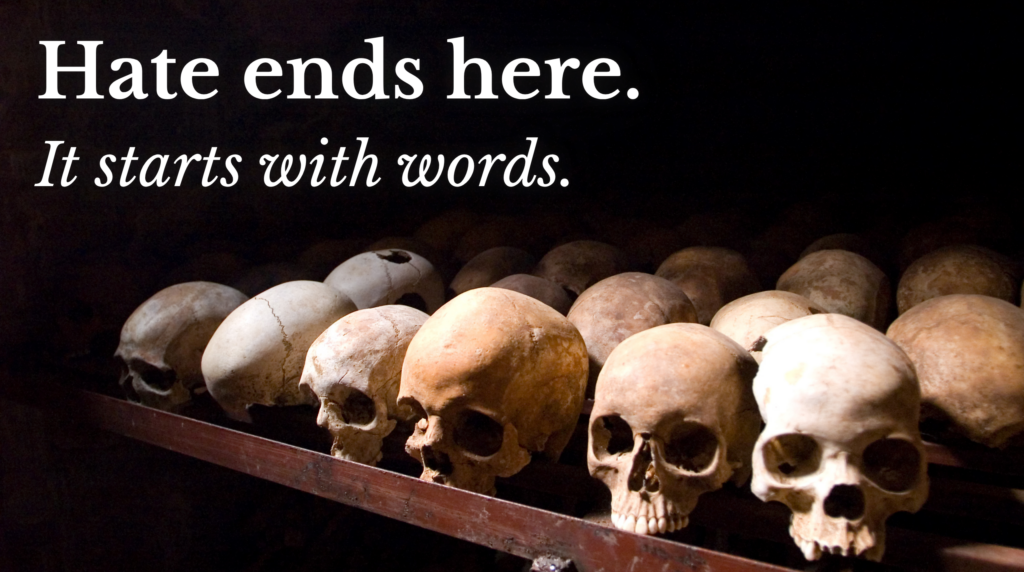
I’ve always thought the things people say tell you far more about them than they do about whoever they’re talking about. Because of that, I’ve never been particularly interested in policing words. When the whole pronoun debate started, for example, I mostly rolled my eyes. Someone calling you something doesn’t change who you are. If someone intentionally calls you something they know you don’t want to be called, that tells me plenty about them.
Maybe that’s because I believed sensibility and sanity would ultimately win. People could say hateful things, but most of us would recognize hate when we heard it. The person saying it would expose themselves, reasonable people would reject it, and we’d move on. Love conquers hate… right?
Well, I think I was seeing things far too simplistically, because now here we are. Elected officials are making actual racist and hateful comments publicly and they aren’t being cancelled. They aren’t being removed from office. In many cases, they aren’t even being condemned by their own party. There are actually far more people applauding than I ever thought possible.
And I’m not talking about the normal political garbage where someone takes three words out of a 45-minute speech and pretends they represent what someone said. I’m talking about elected officials saying these things themselves. Senator Tommy Tuberville has repeatedly warned that Islam is infiltrating America. He has said “the enemy is inside the gates.” He has described Muslims coming to American cities as people with a plan to change the ethnic, religious and political makeup of the country. He has called Islam a “disease” that has been allowed to “fester and spread.”
Representative Nancy Mace somehow managed to make the distinction even less complicated. She said every Muslim serving in public office represents a threat to the United States, describing Muslim officeholders as a “Trojan horse.” Think about what that actually means. Not a member of ISIS. Not someone convicted of terrorism. Not someone advocating violence. A Muslim. That’s the qualification.
It got me thinking about how much has changed in what we’re willing to accept from the people we elect. Remember Howard Dean? In 2004, Dean gave an enthusiastic speech after finishing third in the Iowa caucuses, rattled off the states his campaign was headed to next and finished with an awkward scream. The clip was replayed endlessly. It became known simply as the “Dean scream,” and for years it was remembered as one of the great political campaign implosions.
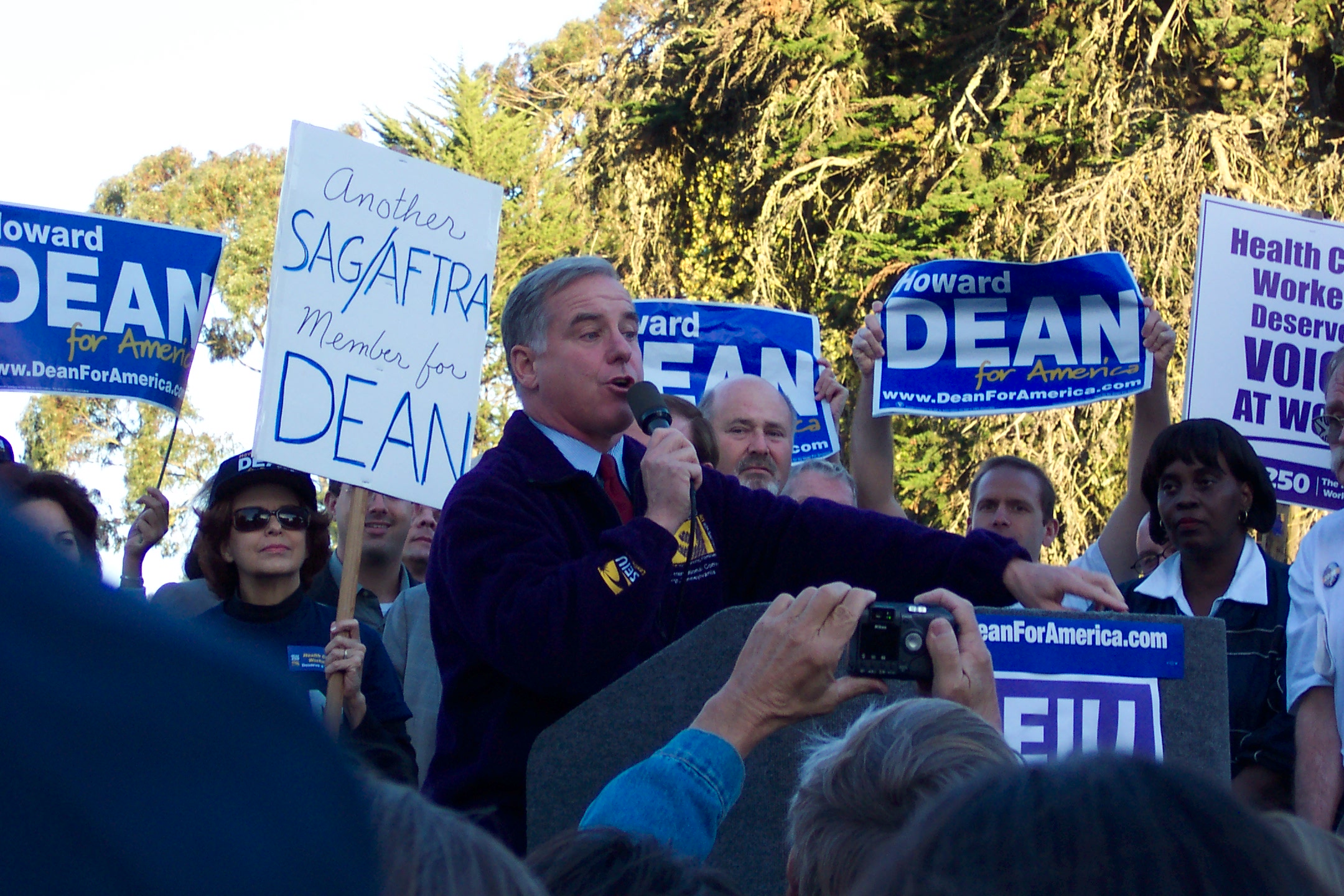
There were plenty of other reasons Dean’s campaign was already struggling, so the idea that one scream single-handedly destroyed his presidential campaign has become something of a political myth. But that’s almost beside the point. Twenty-two years ago, we spent days debating whether a man sounded too weird while yelling “yeah!” Today we’re debating whether elected officials calling an entire religion a threat to the United States has crossed some sort of line.
So what happened? More importantly, what does history have to say about it?
That question sent me somewhere I really didn’t want this article to go: Nazi Germany. I know. Comparing whatever politician you don’t like to Hitler has become the political equivalent of calling the referee blind. Everybody does it, it means almost nothing anymore, and most of the time it’s ridiculous. So I’m not going to tell you America in 2026 is Nazi Germany. I’m not going to tell you Tommy Tuberville is Hitler or Nancy Mace is Joseph Goebbels. They aren’t. That’s not the interesting comparison anyway.
We know how Nazi Germany ended. We’ve seen the photographs. We’ve learned about the concentration camps and six million murdered Jews. Looking backward from 1945 makes the warning signs seem almost insultingly obvious. But what if we stop reading the story backward? What did this look like to someone living through the beginning?
On January 30, 1933, Adolf Hitler became chancellor of Germany. Two days later, a Jewish newspaper published a reaction from the Central Association of German Citizens of Jewish Faith. They were concerned. They distrusted the Nazis now occupying some of the most powerful positions in their government. But they also saw reasons not to panic. President Paul von Hindenburg was still there. They had faith in his commitment to the constitution. Hitler wasn’t governing alone. There were institutions and other political leaders surrounding him.
In other words, they knew Hitler was extreme, but they didn’t know what came next. That may be one of the most haunting things I’ve read while researching this because we do know what came next.
What didn’t happen was Germany waking up one morning and collectively deciding to murder its Jewish population. Before the camps came years of changing the way people thought about their neighbors. Jewish Germans were increasingly portrayed as something separate from Germans. Propaganda associated them with communism, financial manipulation, cultural decay and threats to the country. The question slowly stopped being whether a particular Jewish person had done something wrong. Being Jewish itself became suspicious.
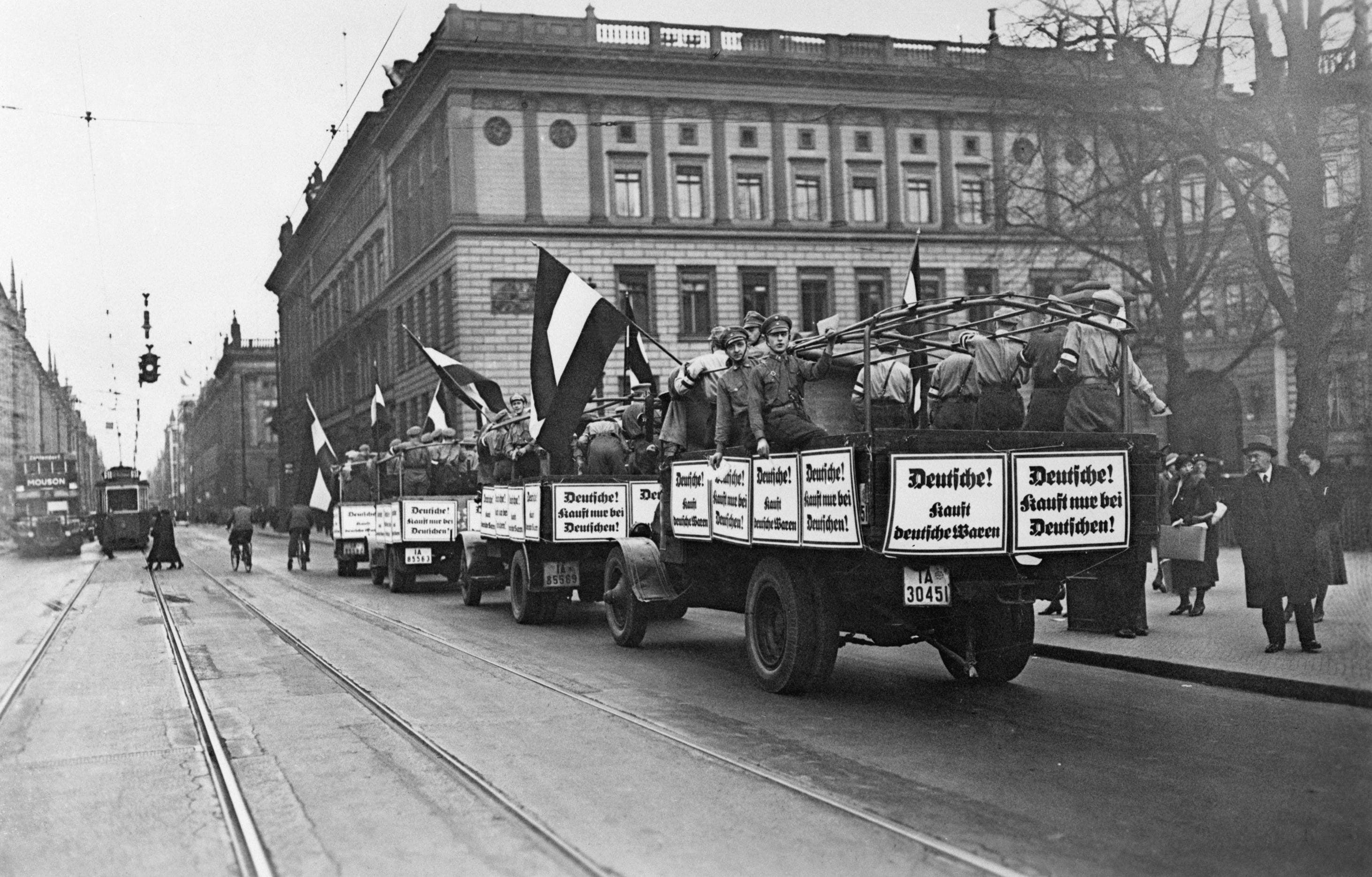
One of the people who spent years feeding that idea was Julius Streicher. Streicher published *Der Stürmer*, a viciously antisemitic newspaper that portrayed Jews as dangerous, corrupt and fundamentally threatening to German society. His importance to this story isn’t that he personally built concentration camps or personally carried out the Holocaust. His weapon was rhetoric. He helped teach people whom they should fear and whom they should blame. After the war, the Nuremberg tribunal convicted Streicher of crimes against humanity for his role in inciting persecution and mass murder. His case became an important historical example of the relationship between inflammatory speech and what people can eventually be persuaded to do.
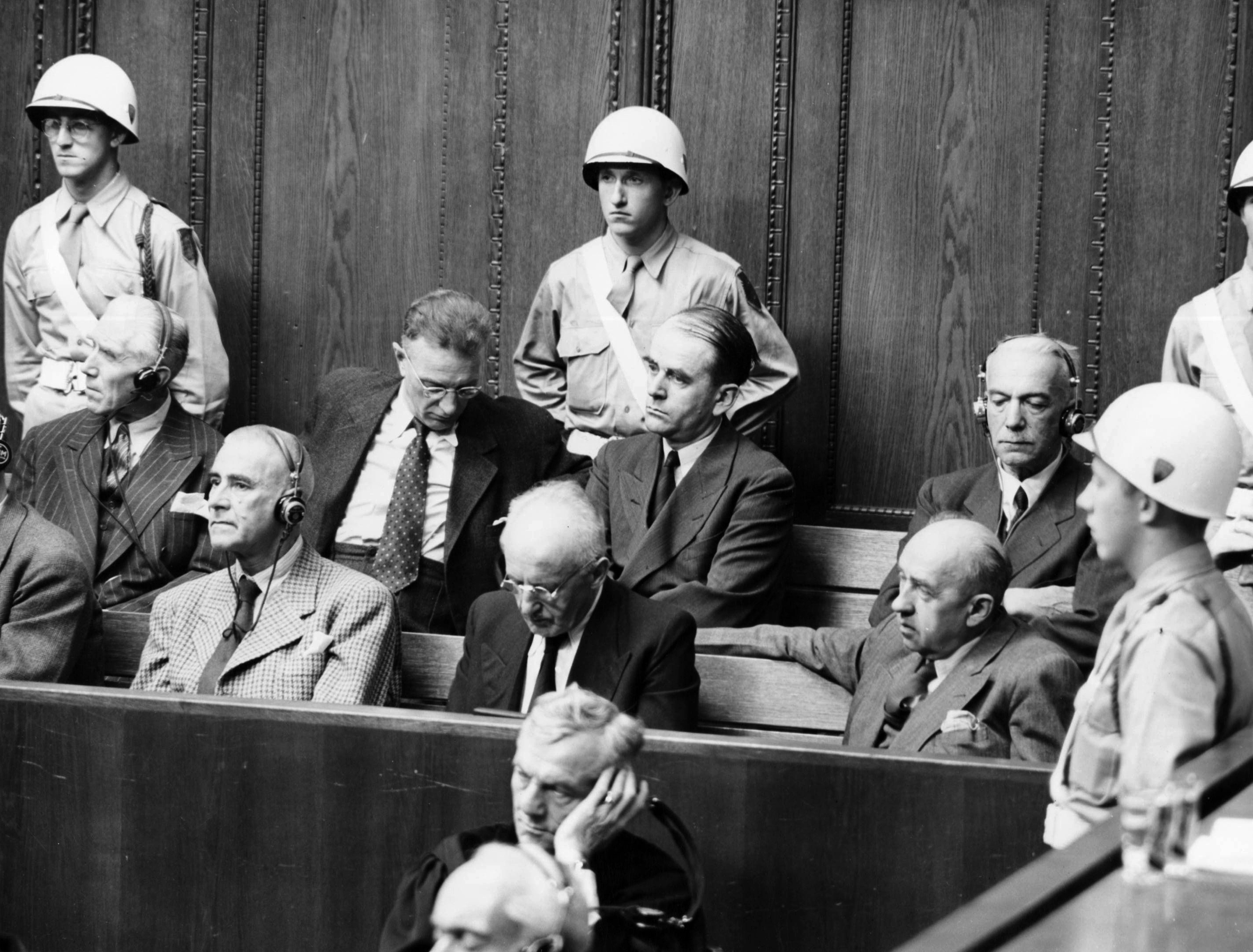
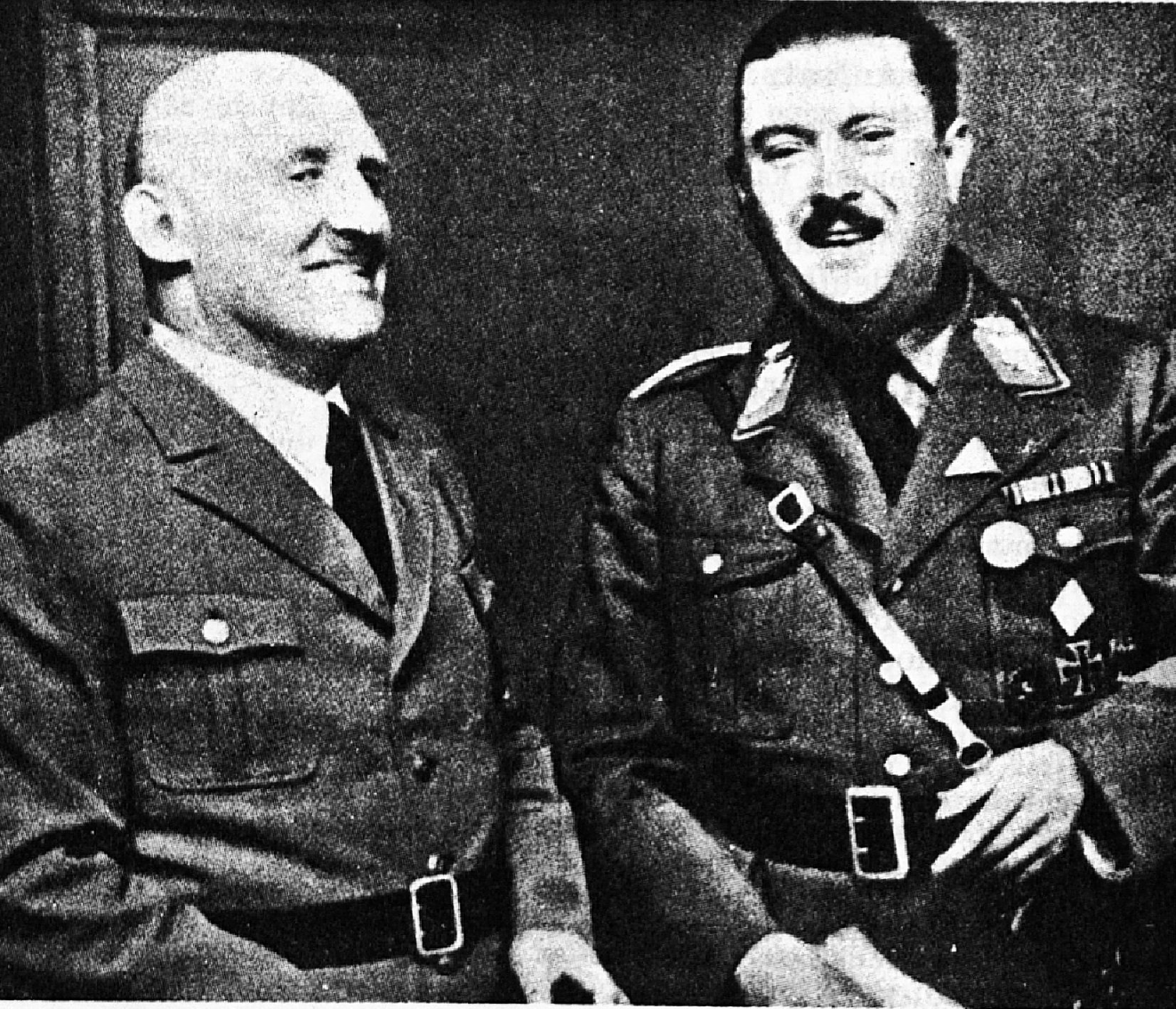
I’m not comparing an American senator to Julius Streicher. I’m comparing patterns, and Germany isn’t the only place where that pattern appears.
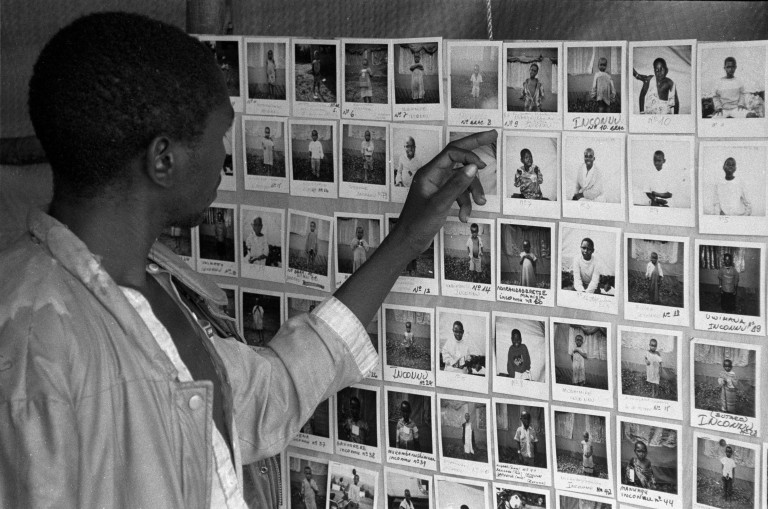
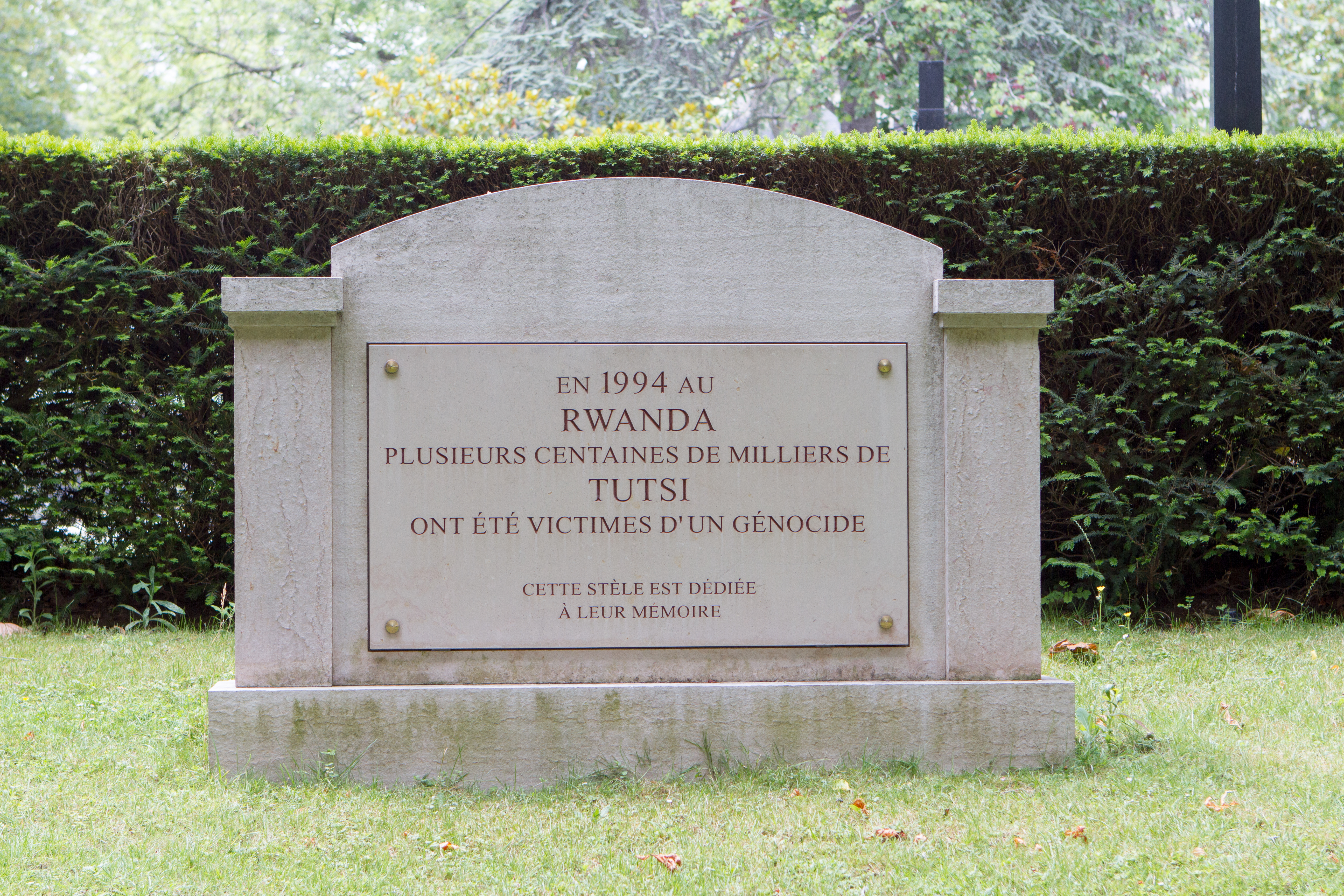
Before the Rwandan genocide in 1994, there was a real conflict. The Rwandan Patriotic Front was a real armed organization fighting the government, and that’s important because fear doesn’t always begin with something imaginary. The dangerous transition came when the distinction between an armed enemy and ordinary Tutsi civilians began disappearing. Extremist propaganda increasingly presented Tutsis collectively as part of the threat. Radio broadcasts and newspapers helped spread that message until the rhetoric went far beyond political propaganda and became direct incitement to murder.
After the genocide, international courts prosecuted media figures who had helped encourage the killing. The world had once again been forced to confront an uncomfortable question: how responsible are the people who create an atmosphere of hatred for what other people eventually do with it?
That question doesn’t require a genocide to matter, and we have an example much closer to home. Four days after September 11, 2001, Balbir Singh Sodhi was outside his gas station in Mesa, Arizona, planting flowers. The country was grieving after nearly 3,000 people had been murdered in the worst terrorist attack in American history, and Sodhi was putting flowers outside his business in remembrance of the victims.
A man saw him and decided he knew who Sodhi was. He saw the beard and the turban, and he shot and killed him. But Balbir Singh Sodhi wasn’t Muslim. He was Sikh.
That detail has stuck with me more than almost anything else I’ve read while working on this article because hatred isn’t particularly interested in accuracy. Once you’ve convinced someone that a certain kind of person represents the enemy, don’t expect that person to conduct a theological examination before deciding who fits the description. Sometimes a beard is enough. Sometimes it’s a turban, a hijab, a name, an accent or the color of someone’s skin.
That’s the part of my old belief about words that I think I got wrong. I still believe what you say tells me something about you. I still don’t believe every offensive word needs to be banned, censored or policed. I still believe people should be allowed to expose exactly who they are. What I underestimated was what those words can do to the people listening.
History is filled with examples of legitimate fears becoming something else. A terrorist becomes a Muslim. A rebel becomes a Tutsi. A political or economic problem becomes the fault of the Jew. Eventually the individual disappears and the group takes his place. Once that happens, a person doesn’t have to actually do anything wrong anymore. Their existence becomes the evidence.
That’s why statements like “the enemy is inside the gates” bother me so much more today than they probably would have years ago. It’s why saying every Muslim holding public office represents a threat shouldn’t be dismissed as another politician saying something stupid on social media. Maybe nothing comes from it, and I sincerely hope nothing does. But we don’t get to turn to the next page and see how this chapter ends before deciding how seriously to take the words being spoken right now.
What we can do is turn backward. We can look at the pages humanity has already written and see the moments when people were told that their neighbors were dangerous. We can see when legitimate fears were expanded to entire populations, when rhetoric that once would have been shocking became normal, and what sometimes happened afterward.
When we were kids, someone inevitably asked the question in history class: Why do we have to learn this stuff? The answer was always some version of the same thing: so we don’t repeat our mistakes.
We can’t turn to the next page, but we can look back and see where we’ve gone wrong before. Maybe it’s time we actually listened.
Take notes.